Insider Knowledge From an MUA In Industry

Understanding the Difference Between Skin Type and Texture
A beginners guide to understanding key differences between skin types and skin textures.
Carson Jade Bryson
6/30/20264 min read
The Key Differences Between Skin Type and Texture.
Skin Types
Essentially, the easiest way to differentiate the two is to remember that skin type is what your skin does and skin texture is how your skin feels. One more time. Skin type is what your skin does. Skin Texture is how your skin feels.
There are so many skin types but they are narrowed down to the main four; Normal Skin, Oily Skin, Dry Skin and Combination Skin. The strategy of narrowing them down into four main groups is to look into sebum (oil) production. For example, oily skin produces a lot more sebum than dry skin would, which lacks sebum. An overproduction of sebum is a condition called seborrhea.
Skin type curates a baseline of skin characteristics, these are often guided by primarily genetics, but also hydration levels, sebum production and sensitivities. These determine how our skin reacts to temperature, weather, skincare products and various other factors.
We have to remember, our skin is an organ. A very complicated one at that, and no skin type or texture are the same. It has to be treated delicately and with care. Skin types aren’t just to be understood for makeup and/or skincare routines, but so we can understand how to better care for ourselves without damaging our skin barrier.
Skin types are also defence mechanisms, it is our body's way of protecting us. Our skin is a physical barrier, it is waterproof yet it can absorb, which is pretty amazing. The surface of our skin is covered in an acidic film called the acid mantle, that also hosts beneficial microbes that destroy harmful invaders. Finally, the skin is packed with white blood cells that essentially sound the alarm against harmful germs. We do not want to destroy all this work our skin does for us, just for simply not understanding.
Instead, we're going to learn how to look after it by first understanding ourselves. Below is more information on the four main skin types, which is a good basis to start. As mentioned previously, there are four main skin types, which are; Normal Skin, Oily Skin, Dry Skin and Combination Skin.These four focus mainly on sebum production, which are controlled by sex hormones (androgens). There are varying androgens (such as testosterone) that are made by sex glands (ovary in females, testis in males). These glands are under the influence of the pituitary gland, which is located in the brain. Due to a woman's varying hormone cycle, a woman is more likely to produce sebum in the week leading up to her menstrual cycle.
Normal Skin
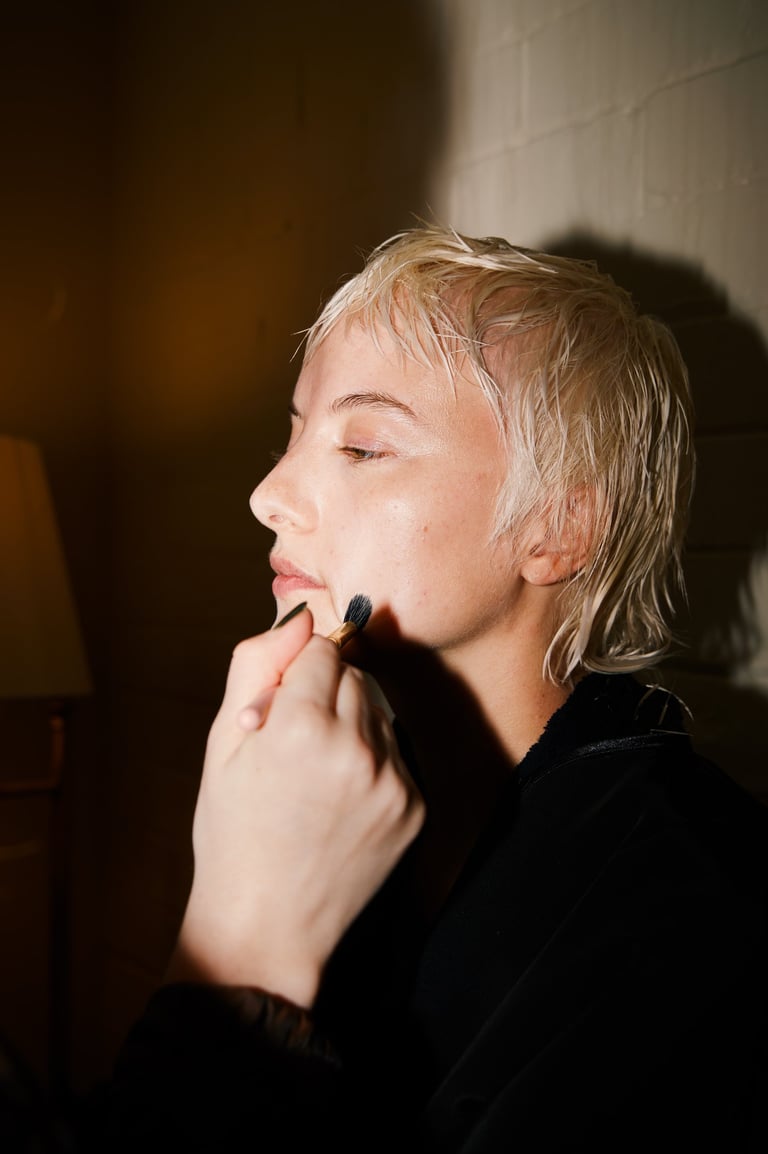
‘Normal Skin’ is used throughout the world to describe skin that is well-balanced, has fine pores, no blemishes, a smooth texture and harbours good blood circulation. Normal skin is known to have a good balance of oiliness to dryness (it's not too much of either). This also means that normal skin is not prone to sensitivity, although it can turn dry with age.
Dry Skin
Dry skin produces less sebum than normal skin or oily skin. It struggles to retain moisture which leads to a damaged barrier function, which means it struggles to form its protective layer against external factors. You can find out if you have dry skin by checking for a rougher texture and a tighter look, elderly people may appear to have deeper wrinkles if they have dry skin, especially as everyone's skin turns dryer as they age. As with anything, there are layers to how dry your skin is.
Oily Skin Oily skin produces too much sebum, an overproduction of sebum is known as seborrhea. You can look for oily skin by seeing visible enlarged pores, a shiny layer on the skin and ‘thicker’ skin. Oily skin is prone to blackheads and whiteheads (comedones) and varying forms of acne.
Combination Skin With combination skin, the T-Zone comes into play. This is where your skin is an unbalanced mixture of oiliness to dryness. The T-Zone (your forehead and nose, sometimes chin) ends up appearing more oily than the rest of your face, which in turn is dry. Combination skin is exactly what it says it is, an over-production of sebum in some areas, and an under-production of sebum in other areas.
If all this makes sense, I can go into skin textures. Are you ready to learn more?
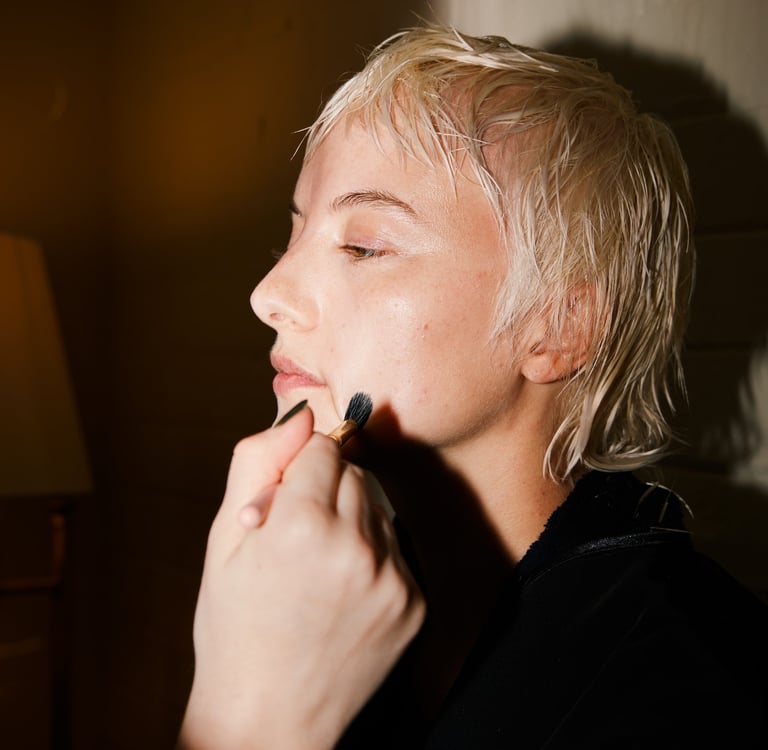
An example of normal skin. (EVO on the Road - Magazine Shoot)
Skin Textures
Skin texture refers to how your skin feels. Such as a bumpy or flaky texture, enlarged pores, enclosed comedones, acne scarring or even aging. Skin texture is often mixed up with skin types due to the texture that skin types can give you. For example, oily skin types may give you enlarged pores, or dry skin types may give you a flaky/rougher texture.
Causes of skin texture can vary but it is usually due to acne scarring and a buildup of dead/excess skin cells, which clog pores and leaves a rougher and bumpier texture. However, an excess of dead skin cells can easily be fixed with gentle exfoliation. Another main one is dehydration, it is impossible to stress how important hydration is for your skin, not just for a hydrated look, but it can make your skin dry, tight and leave uneven pigmentation patches.
As we age, we begin lacking in collagen. People who eat collagen rich foods such as chicken feet and bone broths tend not to have this issue, due to a constant stream of collagen being directly ingested. At around 24, collagen begins breaking down, which is ideally when you should be starting to introduce collagen rich foods or supplements, staying on top of hydration, sun cream and investing in a quality moisturiser. Your skin elasticity will thank you in thirty years!
Overall, the key differences between skin types and skin textures are the reasonings behind why they happen. Skin type happens mostly because of genetics, skin texture is influenced by varying factors! Both can be fixed to some degree by correct skin care and maintenance techniques, and remember, you should never be ashamed of what your body does for you, no matter the circumstances.
Yours Sincerely,
Carson Jade MUA.